
How to Clean Leather Jacket Mold: Expert Tips & Tricks
Essential Summer Leather Maintenance: Cleaning and Storage for Mold Prevention
You open your closet in late September, reaching for that perfectly broken-in double rider, only to find it covered in a ghostly, fuzzy white film. It's a heartbreaking moment for any enthusiast. Honestly? It happens more often than you'd think. Most people treat their outerwear as seasonal equipment that can be tossed into a dark corner the moment the temperature hits seventy degrees, but leather is a biological material that demands a bit more respect than a polyester hoodie. Understanding How to Clean and Store Leather Jackets During Summer to Prevent Mold is the difference between a lifetime investment and a trip to the hazardous waste bin.
Look—leather is essentially skin. It has pores, it retains moisture, and it contains oils that can go rancid or provide a feast for fungal spores if the environment turns sour. When the summer humidity spikes, your closet transforms into a petri dish. If you haven't properly prepped the surface of the hide, you're basically inviting mold to set up a colony. It's a big deal. Most folks think they can just ignore it until the leaves start to turn, but by then, the damage might be irreversible, leaving behind permanent stains or a smell that even a professional cleaner can't fully exercise.
I've spent over a decade handling high-end skins, from horsehide to lambskin, and the story is always the same. Neglect is the primary catalyst for degradation. You wouldn't leave a steak on the counter for three months and expect it to be fine; while tanned leather is much more stable, it still requires a strategic “hibernation” protocol. The goal is to create an environment where the leather remains supple but the spores remain dormant. It’s a delicate balance of hydration and airflow.
Seriously, it doesn’t take hours of grueling labor. It just takes a specific sequence of actions before the heat of July settles in. By following a professional-grade routine for leather jacket summer care, you ensure that your gear stays as sharp as the day you bought it. Let's break down the technical side of keeping your skins safe when the sun is out and the humidity is high.
Advanced Surface Decontamination and Pre-Storage Cleaning
Before you even think about storage, you have to address the microscopic hitchhikers living on your jacket. Throughout the winter and spring, your jacket picks up road salt, skin oils, and atmospheric pollutants. These aren't just dirt; they are food for mold. How to Clean and Store Leather Jackets During Summer to Prevent Mold begins with a thorough, gentle wipe-down using a pH-balanced leather cleaner. Avoid the “home remedies” involving vinegar or dish soap, as these can strip the essential oils from the hide and leave it brittle.
How To Clean Mold Off Leather Jacket
Pay close attention to the collar and cuffs. These areas accumulate the most sebum and sweat, which are prime real estate for fungal growth. Use a soft microfiber cloth and work in small, circular motions. Don't soak the leather; you want to lift the contaminants, not drown the pores. It's a technical process that requires a light touch. If you see the cloth getting dark, you're doing it right. Honestly? Most people are shocked at how much grime comes off a jacket that “looks clean.”
Once the surface is clean, you must address the lining. The interior fabric often holds more moisture and organic material than the leather itself. If the lining is acetate or silk, a light misting of a specialized fabric refresher (one that doesn’t use harsh perfumes) can help. Ensure the jacket is completely dry before moving to the next step. Never, under any circumstances, put a damp jacket into a dark closet. That's just asking for trouble.
Conditioning is the final part of the cleaning phase. Use a high-quality, wax-free conditioner to replenish the oils lost during the cleaning process. This creates a protective barrier that makes it harder for spores to take root. Think of it as an insurance policy for your summer leather storage. A well-conditioned jacket is a resilient jacket. Just don't overdo it; a greasy jacket is just as bad as a dirty one when it comes to attracting unwanted growth.
Essential Tools for Leather Preparation
- pH-balanced leather soap: Specifically formulated to protect the hide's integrity.
- Microfiber applicators: To prevent scratching the top grain during the cleaning process.
- Horsehair brush: Necessary for removing dust from seams and stitching where mold likes to hide.
- Lanolin-based conditioner: To keep the fibers flexible without clogging the pores.
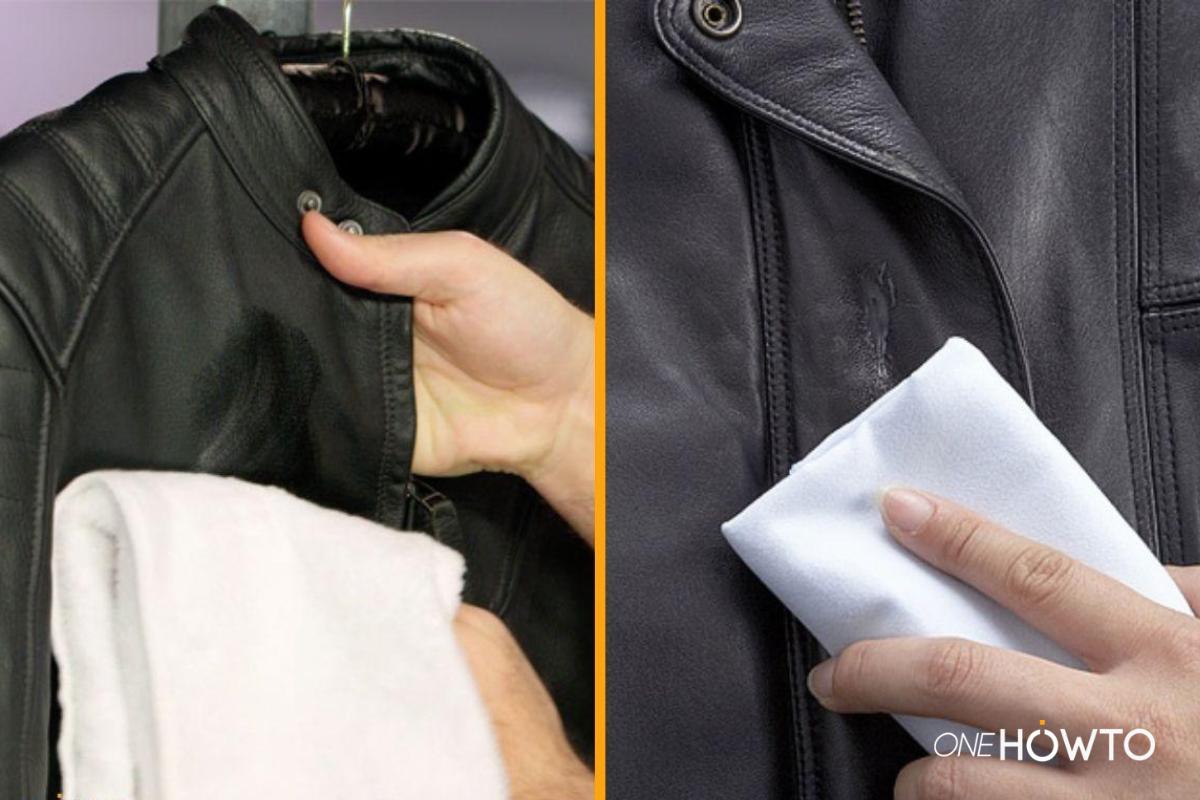
How to Clean a Leather Jacket – How to Keep the Jacket in Perfect Condition
The Drying Phase Protocol
After cleaning and conditioning, the jacket needs to “rest” in a well-ventilated room for at least 24 hours. Keep it away from direct sunlight or space heaters, which can cause the leather to shrink or crack. You want a natural, ambient evaporation of any residual moisture. This is a non-negotiable step in How to Clean and Store Leather Jackets During Summer to Prevent Mold. If the core of the hide is still holding onto water molecules, you're essentially sealing in the very thing that feeds mold.
Strategic Environmental Controls for Summer Storage
Now that the jacket is pristine, where you put it matters more than almost anything else. Most people reach for those thin, clear plastic bags from the dry cleaner. Stop right there. Plastic is the enemy. It traps moisture inside and prevents the leather from breathing. You might as well put your jacket in a sauna. To truly master preventing mold on leather gear, you need a breathable garment bag made of cotton or non-woven fabric. This allows air to circulate while keeping dust and moths at bay.

How Clean Leather Jacket
The physical location within your home is equally critical. Basements and attics are generally off-limits. Basements are too damp, and attics are too hot. You want a “cool, dry place,” which usually means a central closet inside the climate-controlled part of your house. If you can feel the humidity in the air, your leather can feel it too. Using a small dehumidifier in the closet or hanging a few silica gel desiccant packs can significantly lower the risk of an outbreak.
Spacing is another often-overlooked factor. Don't crush your leather jacket between twenty other coats. Compression ruins the shape and creates stagnant air pockets where mold thrives. Give it a few inches of “breathing room” on either side. It's about maintaining a micro-climate that is hostile to fungi but friendly to animal hides. Look—it might mean moving some of your less important clothes to another rack, but your leather will thank you.
Finally, consider the hanger. Wire hangers are a crime against fashion. They pucker the shoulders and can even tear the leather over time. Use a wide, contoured wooden hanger. Not only does it maintain the silhouette of the jacket, but cedar hangers actually offer a natural (albeit mild) antifungal and anti-moth benefit. It's a professional touch that separates the amateurs from the collectors. When you're looking at How to Clean and Store Leather Jackets During Summer to Prevent Mold, the hardware you use is just as important as the cleaning solution.
Optimal Closet Conditions for Leather
- Temperature: Aim for a consistent range between 60 and 70 degrees Fahrenheit.
- Humidity Level: Keep the relative humidity below 50 percent at all times.
- Airflow: Ensure the closet door is opened regularly to prevent stagnant air.
- Darkness: UV rays can fade dyes and dry out leather, so keep the lights off.

Leather Jacket Care: Cleaning, Conditioning & Storage Tips
Material Selection for Protective Covers
Forget the plastic. Seriously. Use a heavy-duty cotton canvas garment bag. Cotton is a natural fiber that allows for the exchange of air molecules while acting as a filter for spores. Some people use old pillowcases for shorter jackets, which is a fantastic “pro-tip” if you're on a budget. The goal is a barrier that isn’t a seal. In the world of leather jacket preservation, airflow is your best friend and moisture is your greatest foe.
Long-Term Monitoring and Emergency Intervention
Storage isn't a “set it and forget it” situation. If you live in a particularly humid climate, you should be checking your leather once a month. It takes thirty seconds. Unzip the bag, take a quick sniff, and run your hand over the surface. If you smell anything “musty,” or if the leather feels slightly tacky, you have a moisture problem. Early detection is the only way to avoid a total loss. How to Clean and Store Leather Jackets During Summer to Prevent Mold requires a bit of vigilance.
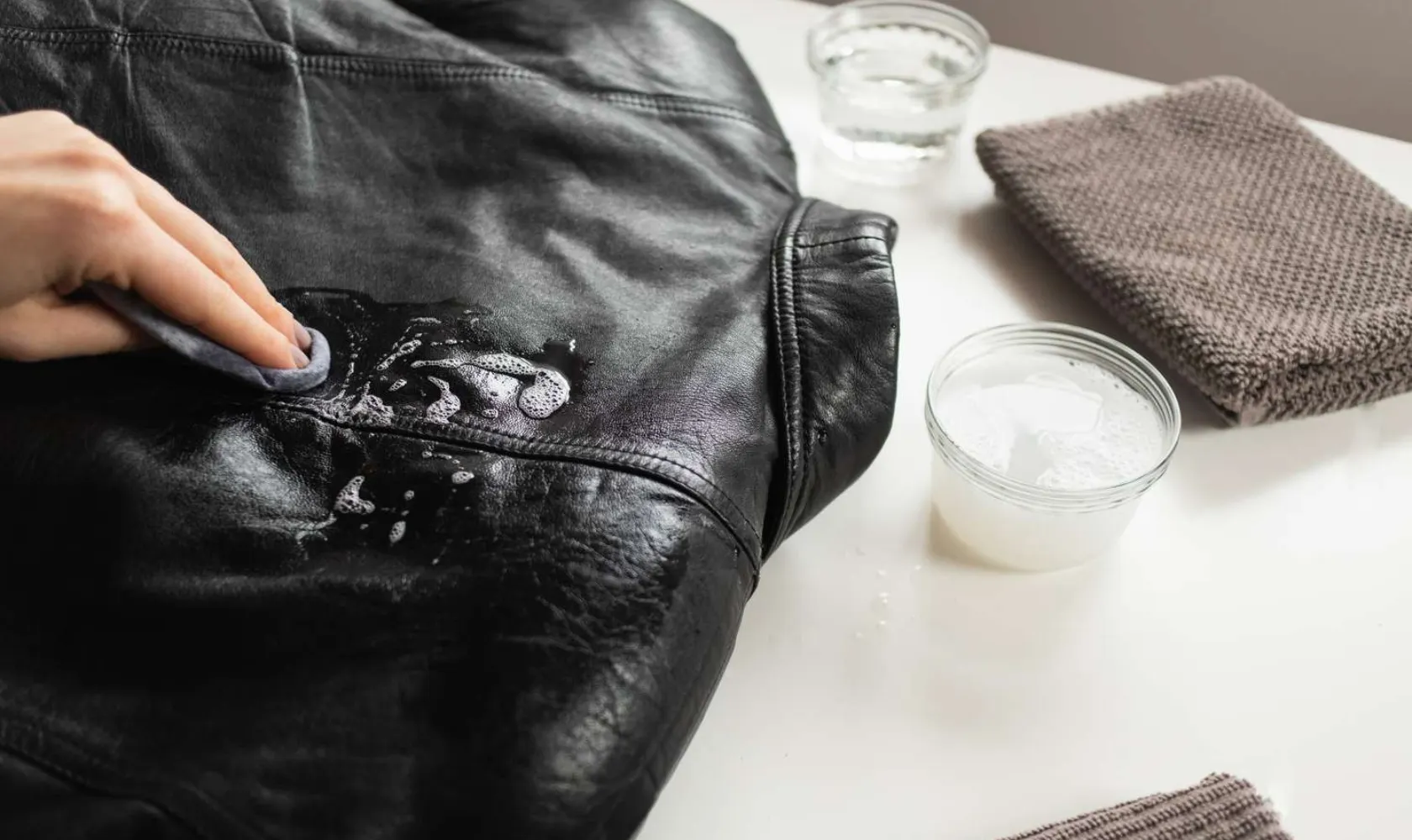
How to Clean a Leather Jacket – Step-by-Step Guide | Urban Leather Jackets
If you do find a small spot of mold, don’t panic, but act immediately. Move the jacket outside or to a garage so you don’t spread spores inside your house. Use a mixture of one part rubbing alcohol and one part water on a cloth to kill the spores on the surface. Again, don’t saturate the leather. After the spot is gone, you must re-clean and re-condition the entire jacket, as mold roots can be invisible to the naked eye. It’s a hassle, but it beats buying a new jacket.
Another expert secret is the “rotation” method. Every few weeks, just move the jackets around on the rack. This simple act breaks up stagnant air pockets and ensures that no single garment is trapped in a “dead zone” of humidity. It’s the kind of small, intentional habit that professional archivists use to protect museum-grade pieces. Honestly? It sounds overkill until you see the replacement cost of a high-quality horsehide jacket.
Ultimately, the longevity of your leather is a reflection of your maintenance routine. By taking the time to properly execute summer leather maintenance, you’re ensuring that your jacket gains character over the years rather than becoming a victim of the seasons. Leather is meant to last a lifetime, but it needs a little help from you to get there. It’s not just about aesthetics; it’s about honoring the craftsmanship that went into making the piece in the first place.
Common Questions About How to Clean and Store Leather Jackets During Summer to Prevent Mold
Can I use a vacuum-seal bag for my leather jacket?
Absolutely not. Vacuum-sealing removes all air, which might seem like a good idea to prevent oxidation, but it completely crushes the fibers and traps any residual moisture against the hide. It can cause permanent creasing and create a perfect anaerobic environment for certain types of mold. Stick to breathable garment bags and give the leather the space it needs to maintain its structural integrity.
Is it okay to store my leather jacket in a cedar chest?
A cedar chest is generally safe, provided it isn’t airtight and the jacket isn’t folded tightly. Cedar has natural antifungal properties that can help. However, the best practice is still to hang the jacket to maintain its shape. If you must use a chest, wrap the jacket in acid-free tissue paper and don’t stack anything heavy on top of it. Ensure the chest is located in a temperature-controlled room, not a damp cellar.
What should I do if my jacket already smells like mold?
If there's a persistent musty odor but no visible growth, the spores are likely deep in the lining or the pores of the leather. Start by airing it out in a dry, breezy area away from sunlight. You can also place the jacket in a breathable bag with a container of activated charcoal or baking soda (making sure the powder doesn’t touch the leather). If the smell persists after a few days, it's time to take it to a professional leather cleaner who specializes in ozone treatment for odor removal.
Does sunlight help kill mold on leather?
While UV rays do kill mold spores, direct sunlight is very harsh on leather. It can cause the dyes to fade rapidly and the oils to evaporate, leading to stiffness and cracking. If you have a mold issue, a very brief period of sun exposure (15-20 minutes) can help, but it should not be your primary cleaning method. It’s much safer to use a dedicated antimicrobial leather cleaner and keep the jacket in a controlled, dark environment. Reliability is better than a quick fix that might damage the hide.