The New Rules of Matching Your Belt to Your Shoes | Bespoke Post
Mastering Belt and Shoe Color Coordination and the Art of Stylistic Deviations
You've probably been there before. You're standing in front of the mirror, five minutes late for a wedding or a high-stakes board meeting, holding a cognac leather belt in one hand and staring at your dark chocolate oxfords. You wonder if anyone will notice the three-shade difference. Honestly? They might. Look—the relationship between your waistline and your feet is one of the oldest pillars of men's style, but it's also one of the most misunderstood. It's not just about color; it's about the “vibe” of the leather and the formality of the occasion.
For over a decade, I've watched guys stress over How to Match Your Belt Color with Your Shoes (And When It’s Okay to Break the Rule) like it's some kind of immutable law of physics. It isn't. While the “match your leathers” mantra is a safe harbor for the fashion-clueless, the real magic happens when you understand the nuances of texture, sheen, and occasion. It's a big deal. Getting this right elevates you from “guy who got dressed” to “man who understands his wardrobe.”
There's a psychological comfort in a perfect match. When your black calfskin loafers find their soulmate in a black calfskin belt, the world feels balanced. It creates a visual continuity that allows the rest of your outfit to shine without distraction. But let's be real: perfection can be boring. Sometimes, the most stylish man in the room is the one who knows exactly how to tilt the scales just enough to look intentional rather than accidental.
In this guide, we're going to dismantle the rigid structures of accessory coordination. We'll cover the foundational logic of matching your belt color with your shoes for formal settings and, more importantly, explore the rebellious side of style. Because sometimes, the rules are just suggestions waiting to be ignored. It's all about confidence and a bit of technical know-how.
The Foundational Logic of Formal Leather Coordination
When you're wearing a suit, the rules are non-negotiable. Seriously. If you're in a professional or formal environment, your belt and shoes must be in the same color family. If you wear black shoes, you wear a black belt. If you wear brown shoes, you wear a brown belt. This isn't the time for “creative expression” or “finding yourself.” It's about presenting a unified, sharp front that says you respect the room you just walked into.
The Importance of Color Value and Tone

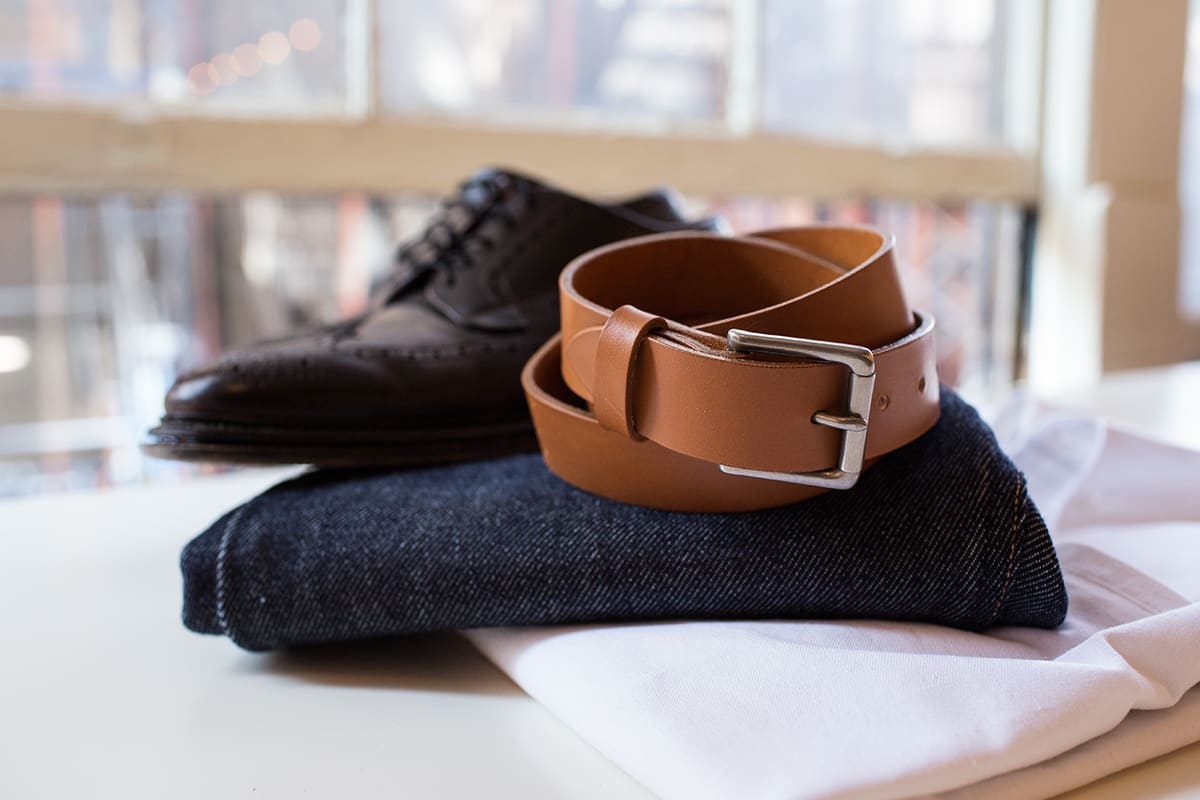
Should Your Belt Match Your Shoes? The Answer + Exceptions – Nimble Made
Matching isn't just about “brown.” Brown is a spectrum that spans from light tan to deep espresso. When learning How to Match Your Belt Color with Your Shoes, you need to look at the color value. If your shoes are a rich burgundy, a bright orange-tan belt is going to look like a mistake. You don't need a 100% exact Pantone match—leather is a natural material and varies—but they should be close enough that they don't compete for attention.
A good rule of thumb is to stay within the same “temperature.” Cool-toned browns (those with a grayish or olive undertone) should stay together. Warm-toned browns (those with red or orange undertones) should be paired accordingly. It's a subtle thing, but the human eye picks up on these temperature mismatches even if the person looking at you can't quite put their finger on what's wrong. They'll just think you look a bit “off.”
If you find yourself in a situation where you don't have a perfect match, always aim for a belt that is slightly darker than your shoes. A darker belt blends into the trousers more effectively, whereas a belt that is significantly lighter than the shoes will draw a horizontal line across your midsection. This effectively cuts you in half visually, making you look shorter and wider. Nobody wants that. Keep the darker tones at the waist to maintain a streamlined silhouette.
Texture also plays a quiet but vital role here. A high-shine patent leather shoe requires a belt with a similar level of gloss. If you pair a matte, rugged leather belt with polished dress shoes, the contrast in finish will make the belt look cheap, even if it cost you three hundred dollars. Look for a similar grain. Smooth calfskin with smooth calfskin; pebble grain with pebble grain. This level of detail is what separates the amateurs from the experts.
Synchronizing Hardware and Metallic Accents
It's not just about the leather; the buckle is the centerpiece of the belt. To truly master the art of matching your belt color with your shoes, you have to look at your other accessories. If your belt buckle is silver, your watch, cufflinks, and even the eyelets on your shoes (if they have them) should ideally be silver. Gold with gold; silver with silver. It's a small detail, but it ties the entire look together into a cohesive package.
Now, don't lose sleep over your wedding ring. Most style experts agree that wedding bands are exempt from the metal-matching rule because they are permanent fixtures. However, if you're wearing a bold statement ring or a heavy-duty watch, the belt buckle should follow suit. A massive brass buckle with a sleek stainless steel watch looks cluttered. It screams “I didn't think this through.”
For those who wear suspenders instead of a belt, the rule still applies to the leather tabs. If your suspenders use leather loops to attach to your trousers, those loops should match your shoes. It's an often-overlooked detail that can ruin an otherwise perfect “Peaky Blinders” aesthetic. Consistency is your best friend when the dress code is formal.

How To Match Belts and Shoes | How to dress in formal outfit men …
- Black Shoes: Always pair with a black leather belt and silver or polished nickel hardware.
- Dark Brown Shoes: Pair with a dark brown belt; brass or gold hardware often looks best with warm browns.
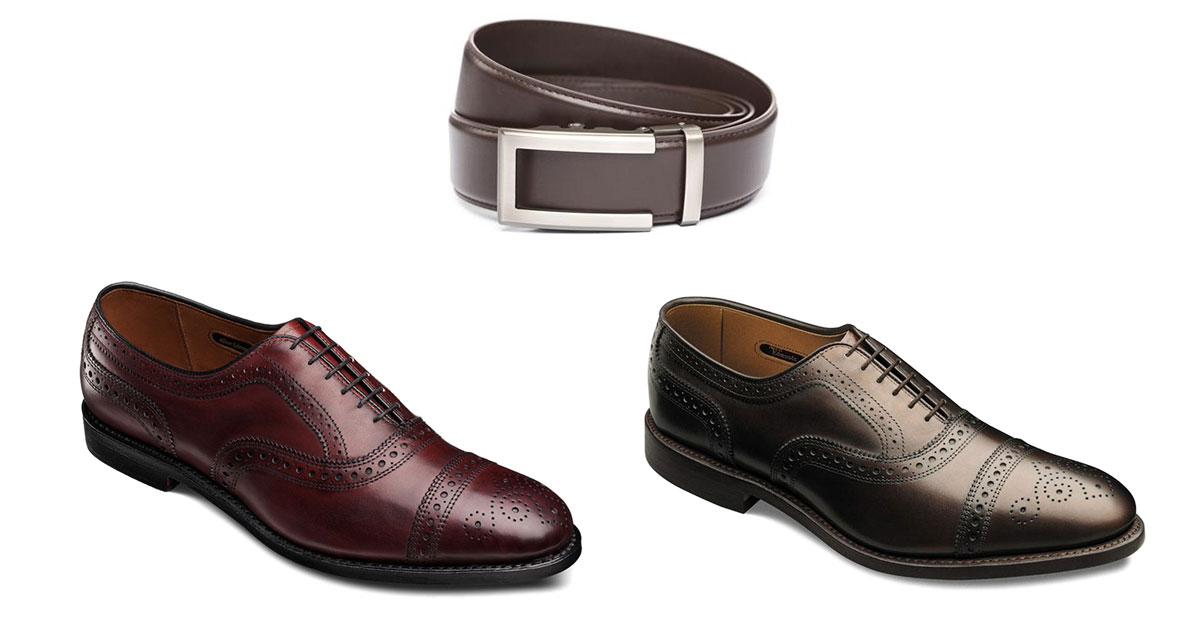
- Oxblood/Burgundy Shoes: These are versatile but look best with a matching cordovan or deep cherry belt.
- Tan/Light Brown Shoes: Match with a tan belt, but ensure the tones are warm enough to avoid looking “washed out.”
Strategic Exceptions and When It’s Okay to Break the Rule
Now for the fun part. Once you know the rules, you can start bending them until they nearly snap. In casual settings, the “matchy-matchy” look can actually work against you. It can look a bit too stiff, like you're trying too hard for a Saturday brunch. Understanding When It’s Okay to Break the Rule is about reading the environment. If you're wearing jeans, chinos, or sneakers, the strict leather-matching policy goes out the window.
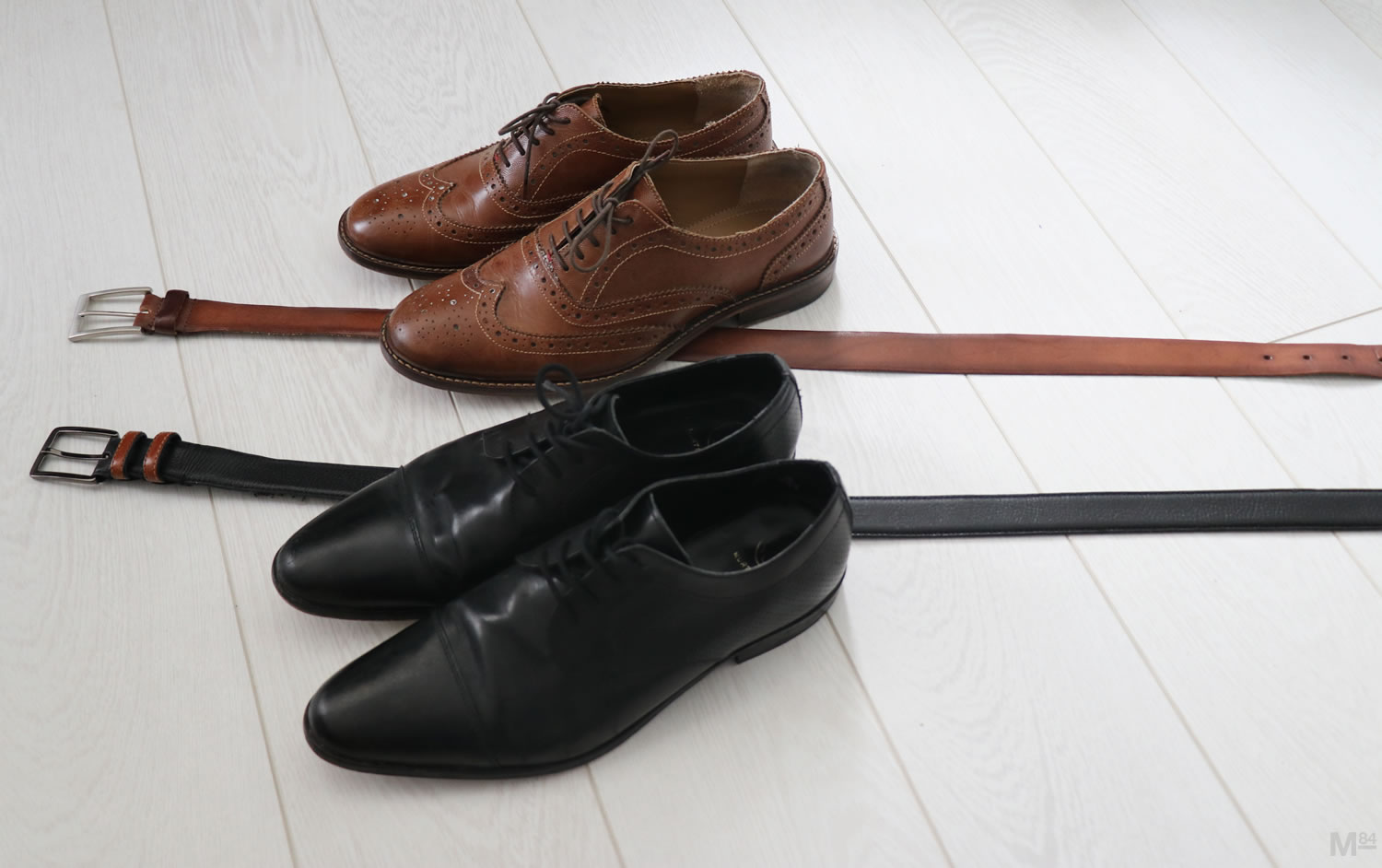
Do Your Belt And Shoes Have To Match? Here’s How To Know | Michael 84
Embracing the Casual Contrast
When you move into the realm of casual wear, your belt becomes an opportunity to add a pop of color or texture. For example, if you're wearing white leather sneakers, you absolutely should not wear a white leather belt. Please. Unless you're a 1970s Floridian retiree, just don't do it. In this case, a fabric belt, a woven suede belt in a neutral color, or even a simple brown leather belt is much more appropriate. The goal here is “complementary,” not “identical.”
Think about the “weight” of the outfit. A heavy, rugged pair of work boots like Red Wings doesn't need a perfectly matched belt. In fact, a slightly different shade of brown or a distressed leather belt can enhance the rugged, workwear aesthetic. The imperfection adds character. It looks like you've owned these pieces for years and they've aged together. That's “heritage” style, and it thrives on slight mismatches.
Honestly? Some of the best-dressed men I know use their belt as a “bridge” between their trousers and their shirt rather than an extension of their shoes. A navy surcingle belt with a tan leather tab can look fantastic with white sneakers and navy chinos. It breaks up the outfit in a way that feels intentional and relaxed. You're showing that you understand the rules enough to play with them.
One specific scenario where you should definitely break the rule is when wearing multi-colored or “spectator” shoes. If your shoes are two-tone, which color do you match? The answer is usually neither. Pick a belt that matches the darker or more dominant color of your trousers instead. This prevents the outfit from becoming too “busy.” Let the shoes be the star of the show and let the belt play a supporting role in the background.
Texture as the Ultimate Loophole
Texture is the secret weapon for anyone wondering How to Match Your Belt Color with Your Shoes (And When It’s Okay to Break the Rule). If you are wearing suede shoes, you don't necessarily need a suede belt. A smooth leather belt in a similar color works perfectly fine because the difference in texture creates a visual buffer. This allows for more leeway in the color match. A dark brown suede loafer looks great with a dark brown smooth leather belt.
Woven belts are another fantastic loophole. Because they feature a mix of shadows and highlights due to the weave, they tend to “absorb” the colors around them. A woven dark brown belt can match a much wider variety of brown shoes than a solid leather strap can. It's the ultimate “cheat code” for business casual. It looks sophisticated but doesn't demand the same level of precision as a flat dress belt.

Match Your Belt And Shoes: A Visual Guide · Effortless Gent
Let's talk about fabric belts. Canvas, ribbon, or braided cord belts are purely casual. When you wear these, matching the shoe color is actually discouraged. Instead, try to coordinate the belt with a color in your shirt or even your socks. If your belt has a small leather tab where the buckle attaches, try to keep that leather in the general vicinity of your shoe color, but even that is a soft suggestion rather than a hard rule.
- Evaluate the formality: Suits require strict matching; jeans allow for total freedom.
- Prioritize tone over exactness: Keep the “warmth” or “coolness” of the colors consistent even if the shades differ.
- Use texture to bridge the gap: Suede and woven materials are more forgiving than high-shine leathers.
- Don't match sneakers: Avoid white or bright-colored leather belts when wearing athletic footwear.
Common Questions About How to Match Your Belt Color with Your Shoes (And When It’s Okay to Break the Rule)
Do Belts Have To Match Shoes at Patricia Sanchez blog
Do I need to match my belt with my sneakers?
Absolutely not. In fact, matching a belt to the color of your sneakers—especially if they are white, blue, or multi-colored—usually looks quite tacky. For sneakers, go with a casual fabric belt or a neutral-colored suede belt. The only exception is if you're wearing black leather “dress” sneakers, in which case a simple black leather belt is the safest and most stylish bet.
What do I do if my shoes are two different colors?
If you're sporting two-tone shoes, like spectator shoes or hiking boots with contrast panels, match your belt to the most “formal” or darkest color present in the shoe. Alternatively, match the belt to your trousers. The goal is to avoid adding a third or fourth leather color to your midsection, which would make the outfit look chaotic and uncoordinated.
Is it okay to wear a brown belt with black shoes?
In 99% of cases, no. This is one of the few hard “nos” in men's fashion. Black and brown are both neutral base colors, and they generally clash when placed in such close proximity within a single outfit. It looks like you got dressed in the dark. If you want to wear brown accessories, wear brown shoes. If you must wear black shoes, find a black belt or go belt-less if your trousers allow for it.
Can I wear a suede belt with leather shoes?
Yes, and it's often a very stylish move. Mixing textures adds depth to an outfit. A suede belt with smooth leather shoes (in the same color family) is a great way to signal that you understand style beyond the basic “matching” rules. It softens the look and works particularly well in business casual environments where you want to look sharp but not overly formal.
At the end of the day, style is about intent. If you match your belt and shoes perfectly, you look disciplined and polished. If you intentionally mismatch them in a casual setting, you look relaxed and confident. The only real mistake is looking like you didn't choose your accessories on purpose. Master the basics, learn the nuances of leather tones, and eventually, you'll be able to break the rules so well that people will think you're making new ones. Keep it simple, keep it consistent, and when in doubt, remember that a darker belt is always the safer play.