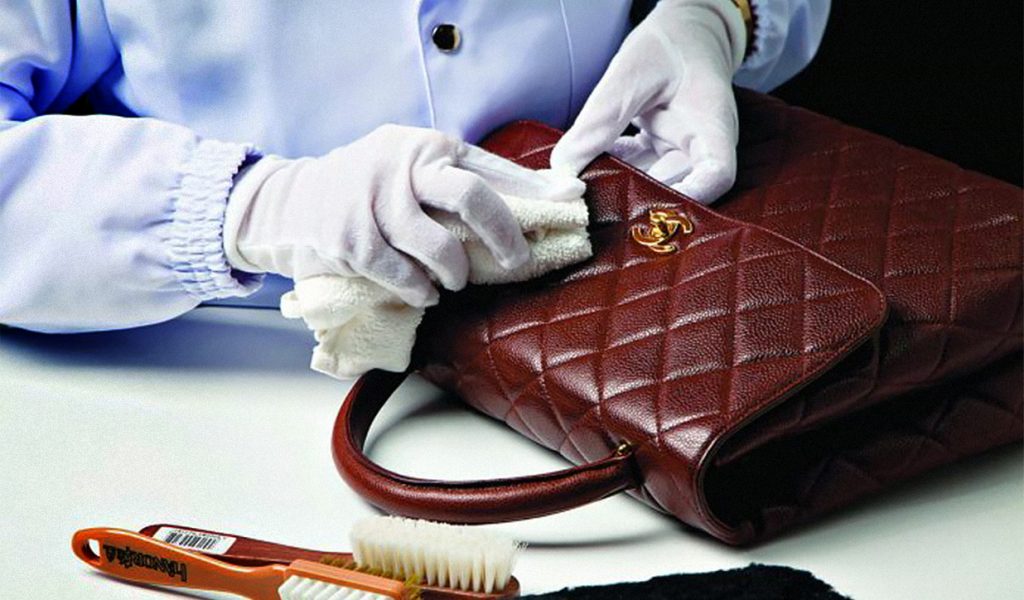
How to clean leather bags at home | Guide to leather cleaning
Exotic Leather Handbag Preservation: Advanced Cleaning and Conditioning Protocols
Imagine the sickening thud of a espresso cup tipping directly onto a five—figure Himalayan crocodile Birkin. Your heart stops. Honestly? My heart stops too, and I've been handling these magnificent hides for over a decade. Most people treat their exotic skins like standard cowhide, which is a recipe for a very expensive disaster. Understanding How to Clean and Condition Exotic Leather Handbags isn't just about aesthetics; it's about structural preservation of a biological material that no longer has a living creature to hydrate it.
Exotic skins are temperamental, prone to drying, and incredibly sensitive to the wrong pH levels. You can't just grab a tub of saddle soap and hope for the best. That's a one—way ticket to cracked scales and permanent discoloration. Look—these bags are investments, and they require a specific type of respect that standard calfskin simply doesn't demand. I've seen $30,000 bags ruined by a $5 “all-purpose” cleaner, and it never gets easier to witness.
The core of maintaining exotic skins lies in understanding the unique topography of the leather. Whether it's the delicate follicles of ostrich or the overlapping scales of a python, each requires a tailored touch. We aren't just wiping away dirt. We are performing a delicate balancing act of removing contaminants while reintroducing essential lipids without over—saturating the membrane. It’s a bit of a tightrope walk, really.
In this guide, I'm pulling back the curtain on the professional methods used by high—end restorers. We'll dive deep into the specific chemistry and physical techniques needed to keep your collection in archival condition. It’s about longevity. It’s about tact. And frankly, it’s about not being the person who ruins a masterpiece because they were too lazy to use the right microfiber cloth.
The Structural Complexity of Exotic Skins
Exotic leathers are fundamentally different from bovine hides because of their irregular surface areas and varied density. When you are learning How to Clean and Condition Exotic Leather Handbags, you first have to acknowledge that “exotic” is a broad umbrella. A crocodile hide has bony plates called osteoderms, while a lizard skin is composed of thousands of tiny, individual scales held together by a thin interstitial membrane. These gaps are where the real trouble starts because they trap dust and moisture like nothing else.
Python and other snake skins are perhaps the most misunderstood. Those scales? They're not just sitting there; they have a “grain” and a direction. If you wipe against the grain, you risk lifting the scales, which is essentially a death sentence for the bag's silhouette. It's a big deal. You have to work with the anatomy of the animal, not against it, which is why a gentle, directional touch is the hallmark of an expert.
Identifying Specific Needs for Alligator and Crocodile

The Ultimate Guide to Cleaning, Conditioning, and Protecting Your …
Alligator and crocodile skins are the titans of the luxury world, but they are surprisingly thirsty. Because these skins are often finished with a high—gloss “glace” finish or a soft “matte” look, the cleaning exotic leather process must be adjusted accordingly. High—gloss finishes can be easily scratched by abrasive particulates, meaning your first step is always a non—invasive air dusting or a incredibly soft goat—hair brush. Seriously, don't skip the dusting.
The tanning process for these skins often involves specific salts and oils that keep the plates flexible. Over time, environmental factors like low humidity can cause these plates to become brittle. When we talk about exotic leather treatment, we are specifically looking to replenish the moisture in the “valleys” between the scales. If the valleys crack, the bag loses its structural integrity, and no amount of conditioner can truly fuse that skin back together perfectly.
The Delicate Nature of Ostrich and Lizard Skins
Ostrich leather is famous for its quill follicles, which give it that distinct “polka—dot” appearance. These follicles are prone to absorbing oils from your hands, which leads to darkening over time. If you're wondering How to Clean and Condition Exotic Leather Handbags made of ostrich, the answer starts with prevention. You need a pH—balanced cleaner that can lift skin oils without staining the surrounding hide, which is more porous than you might think.
Lizard skin, particularly Tejus or Monitor lizard, is exceptionally fine and dense. It doesn't absorb products as easily as ostrich, which means you have to be careful not to let the conditioner sit on the surface and turn into a sticky residue. A light, milky conditioner is usually better than a heavy cream. It’s all about the viscosity. If the product is too thick, it won't penetrate the tiny scales, and you'll just end up with a dust—magnet of a handbag.
Advanced Protocols for Cleaning and Conditioning
Now we get into the “nitty—gritty.” Cleaning is the most dangerous phase because moisture is the enemy of many exotic finishes. The gold standard for How to Clean and Condition Exotic Leather Handbags involves a two—stage process. First, you remove the surface debris that acts like sandpaper against the scales. Second, you apply a specialized agent to lift embedded oils. It is a slow, methodical process that cannot be rushed.
I always tell my clients: “If you think you're being too gentle, you're probably doing it right.” Using a clean, white microfiber cloth is essential—never use colored cloths as the dye can transfer to the leather. You want to use a dabbing motion rather than a scrubbing one. Scrubbing is for kitchen counters, not for luxury leather maintenance. We want to lift the dirt, not grind it into the pores of the hide.
Step-by-Step Cleaning Methodology
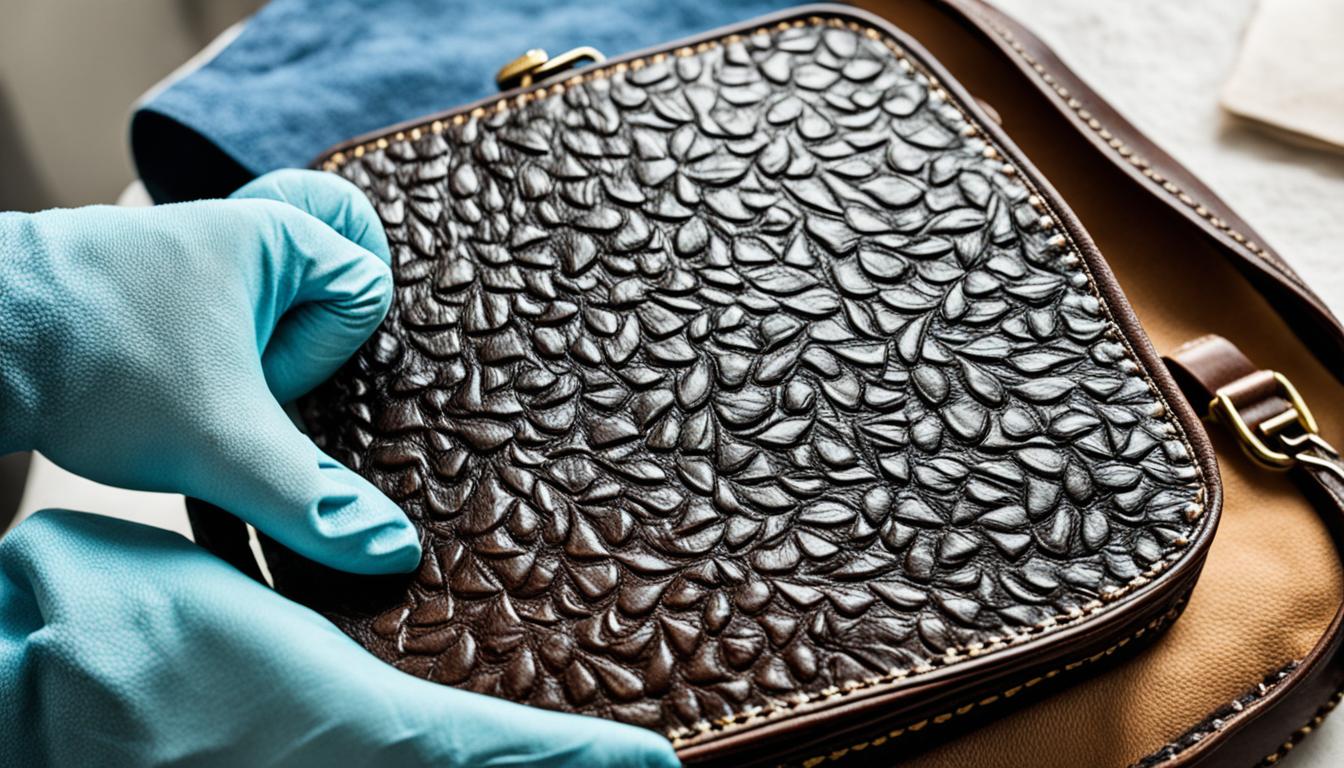
How to Clean Quilted Leather Bag: Step-by-Step Guide
- Dry Dusting: Use a soft brush or a dry microfiber cloth to remove loose particles.
- Spot Testing: Always, and I mean always, test your exotic leather cleaner on a tiny, inconspicuous area like the bottom or inside the handle attachment.
- Application: Apply a small amount of cleaner to the cloth, never directly to the bag.
- Wiping Technique: Follow the direction of the scales. For ostrich, use gentle circular motions around the quills.
- Drying: Allow the bag to air dry naturally away from sunlight or heaters. Heat is the absolute enemy.
Once the bag is clean and dry, it will likely look a bit dull. This is normal. You've removed the grime, but you've also stripped away a tiny bit of the surface moisture. This brings us to the most rewarding part: conditioning exotic skins. This is where the life comes back into the leather. The colors deepen, the scales become supple, and that “expensive” glow returns. It’s almost magical to watch.
Choosing the Right Conditioning Agents

How to Clean Leather Bag – LoveLeatherCare
Don't you dare reach for a bottle of mink oil. While great for work boots, heavy oils will darken exotic skins and can cause scales to lift or even rot the stitching over time. You need a specialized exotic leather conditioner that is wax—free and silicone—free. Look for products containing high—quality lanolin or light natural oils that are designed specifically for reptile or ostrich skins. These are formulated to penetrate deep without leaving a film.
When applying the conditioner, less is always more. You want to massage it in with your fingertips (the warmth of your skin helps the product melt into the leather) or a clean cloth. After application, let it sit for about fifteen minutes. Then, take a fresh cloth and buff the surface gently. This buffing action removes any excess and brings out the natural luster of the hide. It’s the difference between a bag that looks “greasy” and one that looks “nourished.”
Long-Term Preservation and Environmental Management
If you only focus on How to Clean and Condition Exotic Leather Handbags when they look dirty, you're already behind the curve. Preservation is a daily habit. These bags are sensitive to the world around them. Humidity is the “Goldilocks” factor: too much and you get mold; too little and the skin turns into parchment. Ideally, you want to keep your collection in a climate—controlled environment around 45—55% humidity. Honestly? It’s worth buying a cheap hygrometer for your closet.
Sunlight is another silent killer. UV rays break down the chemical bonds in the dyes and the natural fibers of the skin. A bag left in a sunny window for a week can suffer permanent fading. I've seen vibrant emerald green pythons turn a sickly yellowish—brown because of a “display” shelf that caught the afternoon sun. Always store your bags in their dust covers, and if they didn't come with a high—quality cotton one, go buy one. It's the cheapest insurance policy you'll ever find.
Storage Best Practices for Shape and Surface
The way you store your bag is just as important as how you clean it. Exotic skins have a “memory.” If you squash a crocodile bag in the back of your closet, those creases will eventually become permanent cracks. You must stuff your bags with acid—free tissue paper or dedicated handbag pillows to maintain their silhouette. This prevents the skin from folding over on itself, which is where scale damage usually begins.
- Never use newspaper for stuffing; the ink will transfer.
- Avoid plastic bins, as they trap moisture and don't let the leather breathe.
- Keep handles upright to avoid them imprinting on the side of the bag.
- Store bags on a flat shelf, never hanging by the straps, which stretches the leather.
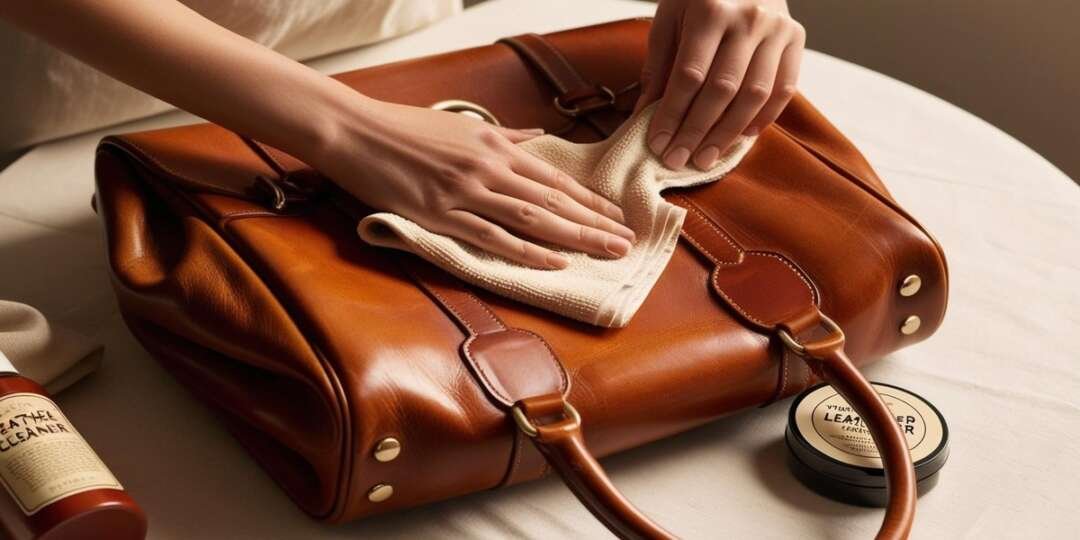
Step by Step Leather Bag Maintenance – Viral 80
Every six months, even if you haven't worn the bag, take it out for a “breather.” Check the suppleness. If the leather feels a bit “tight” or “crisp” to the touch, it's time for a light round of exotic leather conditioning. This proactive approach ensures that the fibers stay lubricated. Remember, once a skin becomes brittle and cracks, there is no “fixing” it back to original condition. You are the steward of this material; act like it.
Handling Professional-Grade Repairs
Look—some things are beyond a DIY fix. If you have a deep scratch that has penetrated the pigment, or if a scale has completely detached, stop. Don't try to glue it yourself. Superglue is a nightmare for leather restorers. Professional exotic leather restoration involves color—matching dyes and specialized adhesives that remain flexible. It's an art form that requires years of training.
Knowing when to call a specialist is part of knowing How to Clean and Condition Exotic Leather Handbags. If you encounter mold, stop immediately. Mold spores can be incredibly difficult to kill within the porous structure of exotic skins, and you risk spreading it to the rest of your collection. A professional will use ozone treatments or specific anti—fungals that won't ruin the finish. Trust the experts when the stakes are high.
Common Questions About How to Clean and Condition Exotic Leather Handbags

How to Clean and Condition a Leather Purse | Purse cleaning, Leather …
Can I use baby wipes to clean my exotic leather bag?
Absolutely not. Baby wipes contain alcohols, fragrances, and chemicals that can strip the natural oils and the finish right off an exotic skin. Even “alcohol-free” versions often have a pH that is far too alkaline for leather, leading to long-term drying and cracking. Stick to products specifically labeled for luxury leather care.
How often should I condition my python or crocodile bag?
Generally, a deep conditioning should happen every 6 to 12 months, depending on your climate. If you live in a very dry area like Arizona, you might need to do it more frequently. Use the “touch test”: if the leather feels stiff or makes a “crunchy” sound when gently flexed, it is overdue for exotic leather hydration.
What should I do if my exotic skin bag gets wet in the rain?
First, don't panic. Use a soft, dry cloth to blot (not wipe) as much moisture as possible. Then, stuff the bag with tissue paper to help it hold its shape and absorb internal moisture. Let it air dry in a cool, dark place. Never use a hairdryer or put it near a heater, as this will shrink the collagen fibers and cause the skin to warp or crack. Once dry, apply a light coat of conditioner to restore any lost oils.
Is it normal for python scales to lift slightly?
To a small degree, yes. Python scales are only attached at one end, so some natural lifting is expected as the bag moves. However, excessive lifting is a sign of dryness. Proper python skin conditioning will help the scales lie flatter and stay flexible. If the lifting is severe, avoid wearing the bag with delicate fabrics like silk, as the scales can snag and cause damage to both the bag and your clothes.
Proper maintenance of these high-end materials requires patience and the right tools. By following these professional protocols, you ensure that your investment remains a centerpiece of your collection for decades to come.